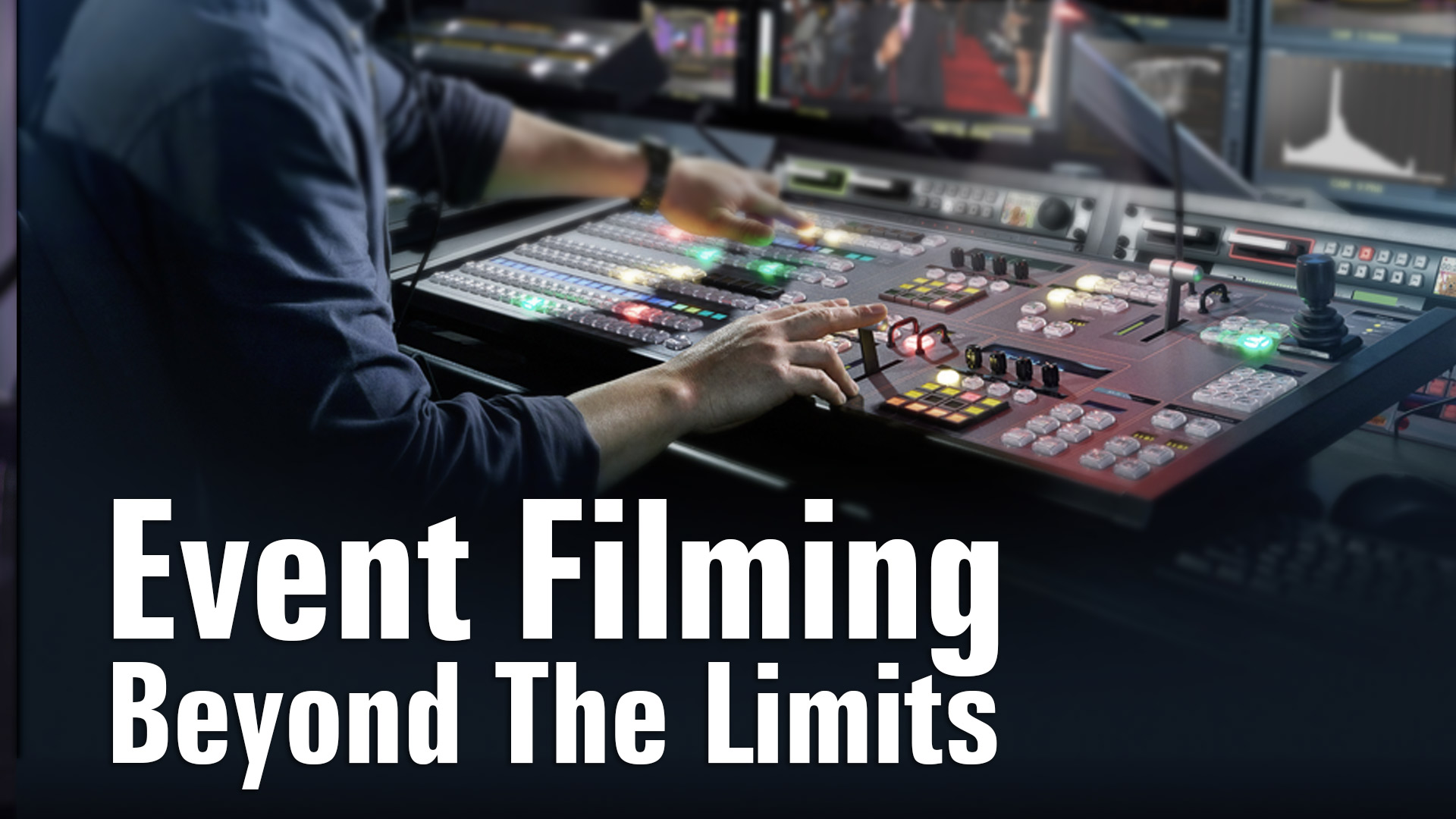
Event Filming in Dubai
Elevate Your Live Event with Cutting-Edge Production and Filming Services
What is Webmedia
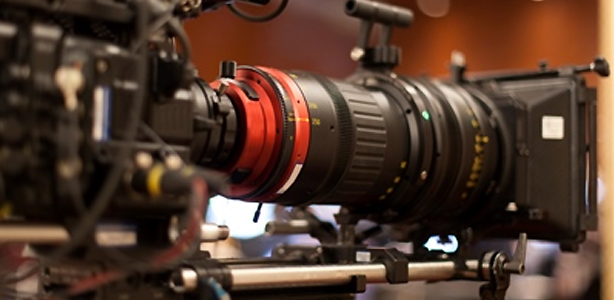
Event Production Solutions
Live Multi-Camera Event Production
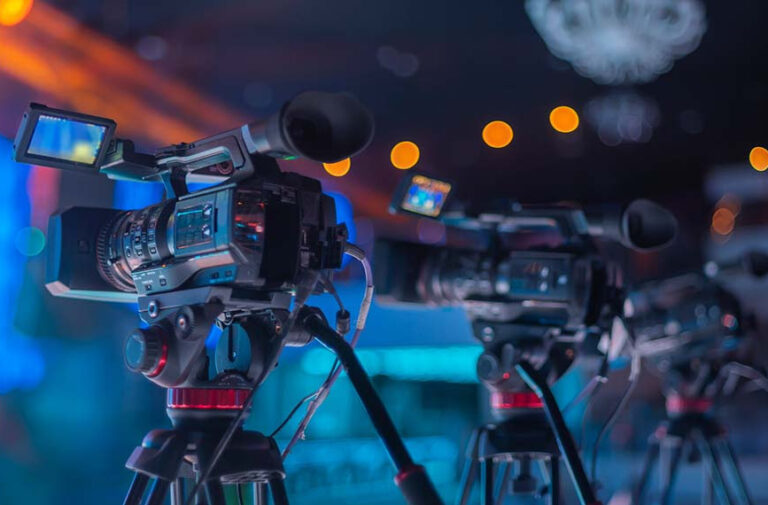
Flight Case Solution
OB Van Solution
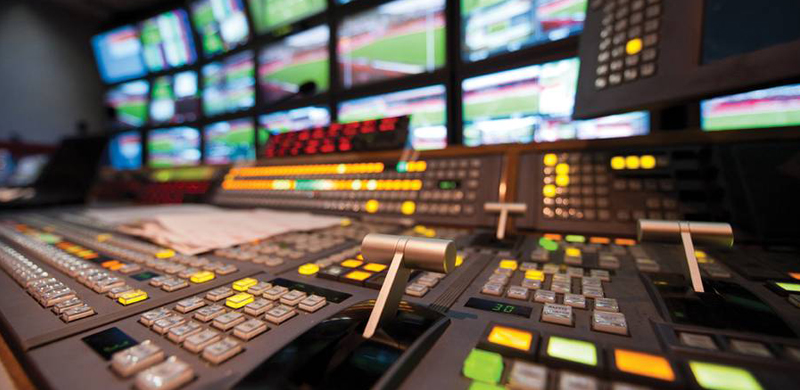
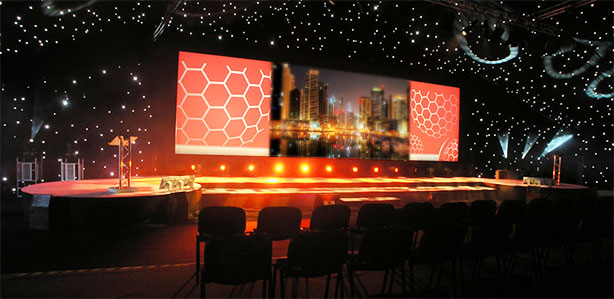
Image Display & Screen Management
HD LIVE PRODUCTION FLIGHT CASE
- 2 to 6 camera URSA Broadcast G2
- Fiber, CCU & Tally System
- Monitors, tripods, converters and accessories
- Black Magic ATEM Video Mixer
- Video Recorder
- Talk Back for Crew communication
- Audio Mixer
- Multimedia Server for Videos & Graphics Playout (Optional)
- Encoder for Livestream (Optional)
- Wireless system (Optional)
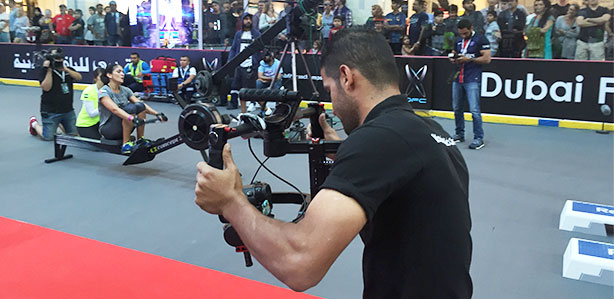
- Up to 13m Crane, Steady Cam, Gimbal (Optional)
- Aerial Filming with live feed to mixer (Optional)
- Multi Screen Management (optional)
UHD 4K LIVE PRODUCTION FLIGHT CASE
- 4 to 12 Cameras URSA Broadcast G2 4K
- Fiber, CCU & Tally System
- Monitors, tripods, converters and accessories
- Black Magic ATEM 4M/E Video Mixer
- ULTRA UHD Video Recorder & ISO Recording
- Green-Go InterCom & Wireless Beltpacks
- Video Router
- Audio Mixer
- Multimedia Server for Videos & Graphics Playout (Optional)
- Replay System (Optional)
- 4K Encoder for Livestream (Optional)
- Wireless system (Optional)
- Up to 13m Crane, Steady Cam, Gimbal (Optional)
- Aerial Filming with live feed to mixer (Optional)
- Multi Screen Management (optional)
OB VAN FOR BIG EVENTS AND SPORTS
- Information and specifications available upon request
Crew
Event Filming – FAQs
Live event filming and broadcast involves capturing a live event, such as a concert, sports game, conference, or ceremony, using cameras and broadcasting it in real-time to a live audience through various platforms, including television, streaming services, or online platforms.
The equipment used for live event filming can vary depending on the scale and nature of the event, but it generally includes professional video cameras, audio recording equipment, tripods, camera stabilizers or gimbals, lighting equipment, microphones, audio mixers, cables, and a control room setup for directing and switching between camera feeds. Additionally, live streaming setups may require encoders, streaming software, and reliable internet connections.
When selecting a filming crew for your live event, consider their experience in capturing similar events, their technical expertise, and their ability to work under pressure. Look for a crew with a diverse skill set, including camera operators, audio technicians, lighting specialists, and directors. It's also important to review their portfolio, client testimonials, and previous work to assess their quality and style of filming.
Some important considerations for planning a live event broadcast include:
1.Audience: Determine your target audience and choose appropriate platforms for broadcasting to reach them effectively.
2.Equipment and technology: Ensure you have the necessary equipment and technology, such as cameras, audio gear, encoders, and stable internet connections, to support a high-quality live broadcast.
3.Logistics: Plan the logistics of the event, including camera placements, audio setups, lighting requirements, and power supply needs.
4.Production crew: Hire a skilled production crew capable of handling the technical aspects of live filming and broadcasting.
5.Backup plans: Prepare backup equipment, redundant power sources, and contingency plans to handle unforeseen technical issues.
6.Testing and rehearsals: Conduct thorough testing and rehearsals to ensure that all equipment and systems are functioning properly before the live event.
7.Communication: Establish clear communication channels between the production crew, event organizers, and any external partners involved in the broadcast.
Some common challenges in live event filming include technical glitches, unpredictable lighting conditions, audio issues, crowd management, and time constraints. To mitigate these challenges:
1.Technical glitches: Have backup equipment ready and conduct thorough testing before the event to identify and address any technical issues.
2.Lighting conditions: Use professional lighting equipment and adapt to changing lighting conditions by adjusting camera settings or adding additional lighting.
3.Audio issues: Employ experienced audio technicians and use high-quality microphones to ensure clear audio capture. Test audio levels and conduct sound checks before the event.
4.Crowd management: Coordinate with event organizers and security personnel to ensure camera access and manage crowd movement to avoid obstructing shots.
5.Time constraints: Plan a realistic schedule, allow ample time for setup, rehearsals, and troubleshooting, and have a well-coordinated crew to efficiently capture the event.
There are various options for broadcasting a live event, depending on your target audience and available resources:
1.Television: Broadcasting on traditional television networks allows you to reach a wide audience, but it often requires collaboration with a network or broadcasting company.
2.Streaming platforms: Streaming platforms like YouTube Live, Facebook Live, or Twitch provide accessible options for live streaming to a global online audience. These platforms often offer built-in tools for engagement and interaction with viewers.
3.Dedicated event platforms: Some events may have their own dedicated online platforms or websites where users can access the live stream or pay to view the event.
4.Closed-circuit broadcasting: For events with limited access or specific target audiences, closed-circuit broadcasting can be used, where the feed is distributed within a controlled network or venue.
5.Hybrid events: With the rise of hybrid events, you can combine live physical attendance with live streaming, allowing both in-person and remote audiences to experience the event simultaneously.
To ensure a high-quality live broadcast, consider the following:
1.Use professional equipment and experienced crew members who are skilled in live event filming and broadcasting.
2.Conduct thorough testing and rehearsals to identify and address any technical issues before the live event.
3.Invest in reliable internet connections and streaming infrastructure to minimize disruptions.
4.Maintain clear communication channels between the production crew, event organizers, and any external partners involved.
5.Pay attention to lighting, audio, and camera settings to ensure the best possible visual and audio quality.
6.Monitor the broadcast throughout the event to catch any potential issues and make adjustments as needed.
7.Have backup equipment and contingency plans in case of technical failures.
The cost of live event filming and broadcast can vary widely depending on factors such as the scale of the event, the duration, the complexity of the production setup, the crew size, the equipment required, and the desired quality of the broadcast. It is recommended to consult with professional production companies or freelancers to obtain accurate cost estimates based on your specific event requirements.